January 6, 2026
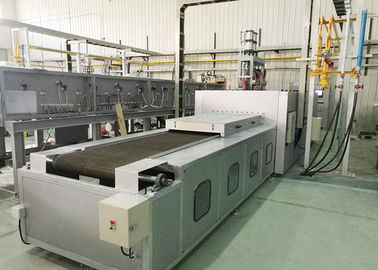
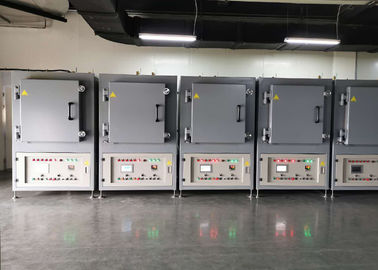
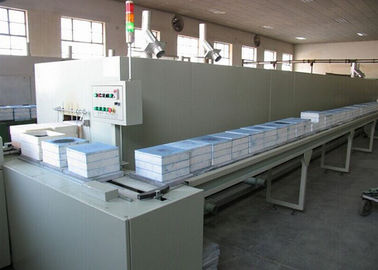
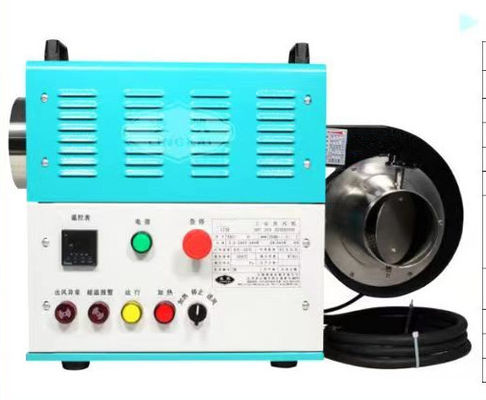
Electric industrial furnaces are increasingly replacing gas-fired furnaces across various industries due to their superior efficiency, safety, and environmental benefits. As manufacturers face stricter emission regulations and rising fuel costs, electric heating solutions have become more attractive.
One major reason for this shift is energy efficiency. Electric industrial furnaces convert electrical energy directly into heat with minimal loss. In contrast, gas-fired furnaces often lose energy through exhaust gases and incomplete combustion.
Environmental compliance is another driving factor. Electric industrial furnaces produce zero on-site emissions, helping manufacturers meet global environmental standards. This is especially important in regions such as Europe and North America, where carbon reduction policies are becoming stricter.
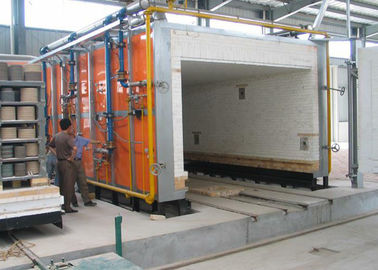
Safety is also a key advantage. Gas-fired furnaces require fuel storage, pipelines, and combustion systems, which pose risks of leakage and explosion. Electric industrial furnaces eliminate these hazards, creating a safer working environment.
Additionally, electric industrial furnaces offer better temperature control. Gas-fired systems can struggle to maintain stable temperatures, while electric furnaces provide precise and repeatable heating, which is essential for high-quality production.
Maintenance costs are generally lower as well. Electric industrial furnaces have fewer moving parts and do not require burners or fuel systems, reducing downtime and maintenance expenses.
Overall, the transition from gas-fired to electric industrial furnaces reflects a broader trend toward cleaner, safer, and more efficient manufacturing processes.